It is the first objective of a practitioner to find Health in an individual. Disease anybody can find.
Dr. Andrew Stills – D.O
FATHER OF OSTEOPATHY
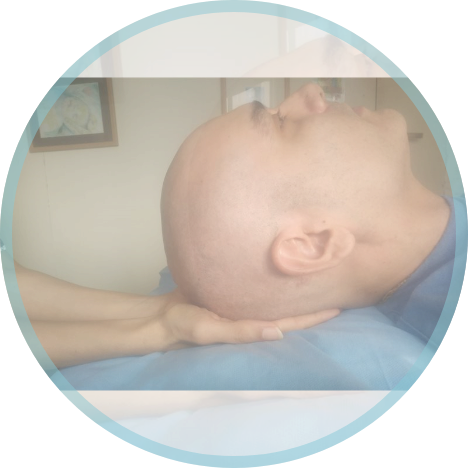
Biodynamic Craniosacral Therapy
International Diploma Training
Oct 2026 – Feb 2028
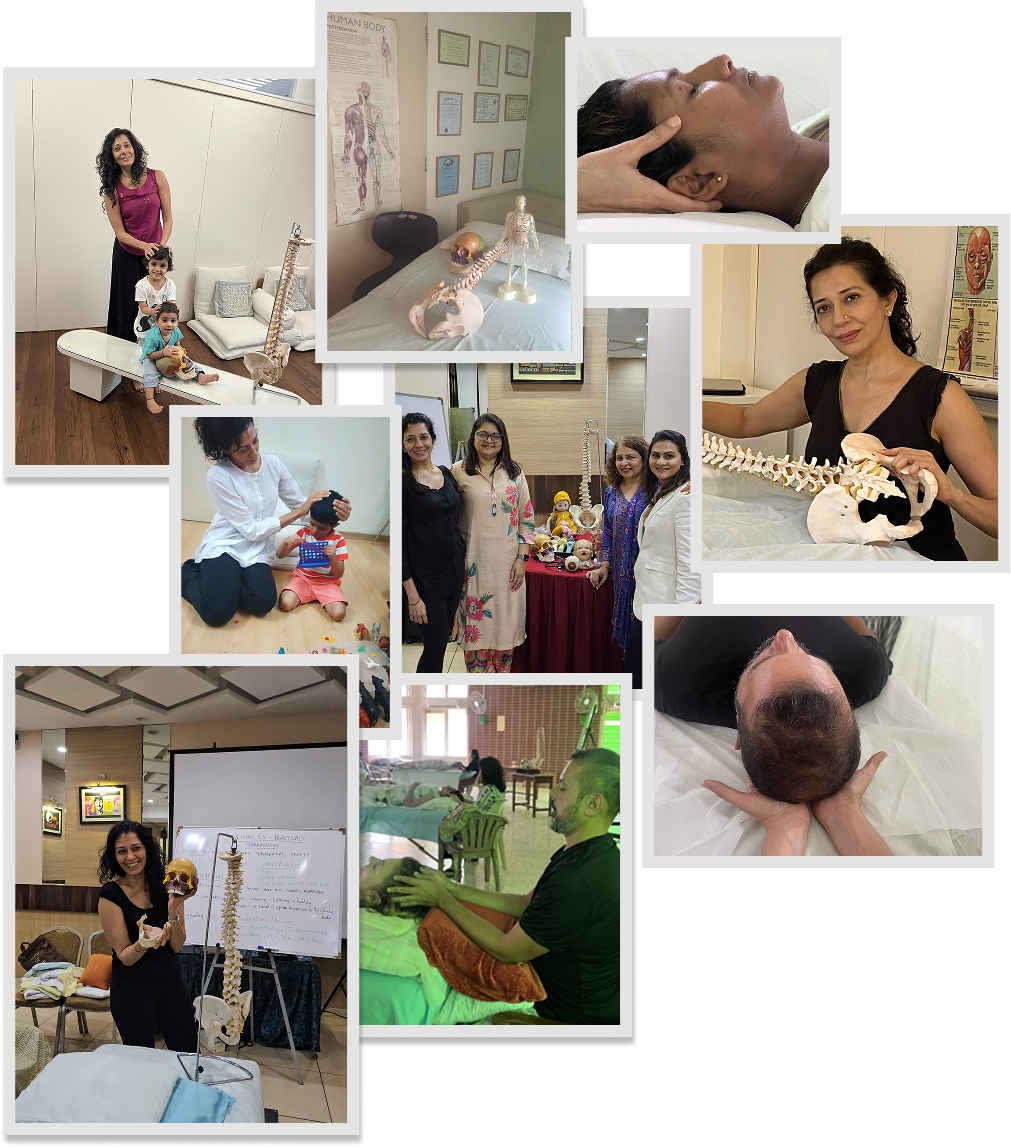
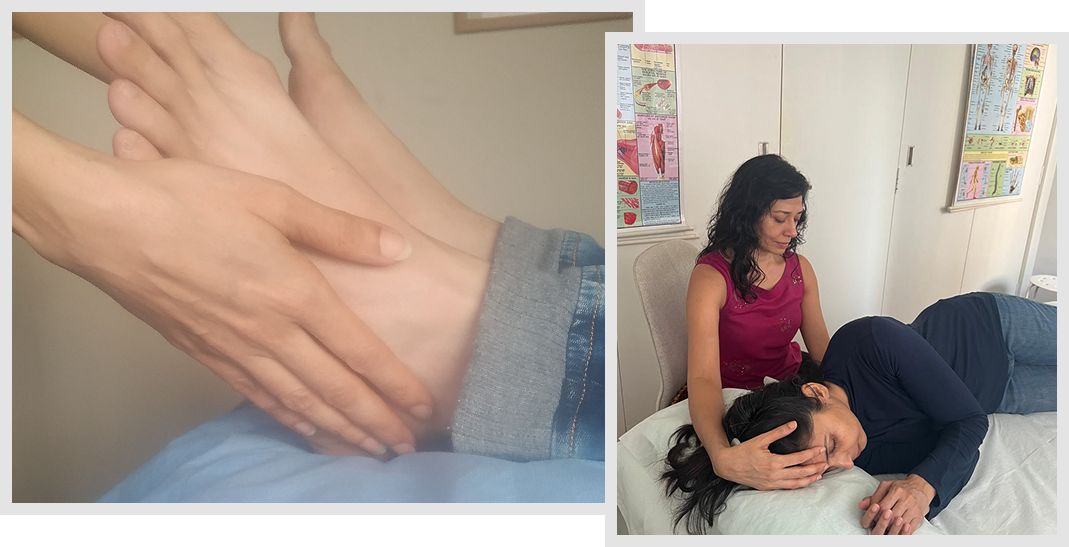
Biodynamic Craniosacral Therapy (BCST) is a fine art of healing.
It is non-invasive, deeply supportive, respectful of client’s boundaries, safe and addresses a wide range of health conditions. There are almost no contraindications to this work and can be received by all individuals. Due to its gentle nature, it is also received effectively by birthing mums, infants, the elderly and individuals in palliative care. In recent years, BCST is fast growing as a popular therapeutic choice for many individuals choosing a safe, non-invasive, holistic health care practice.
With cutting edge research on the human physiology and the science of therapeutics, BCST teachers and practitioners bring the best benefits to their client’s health requirements.
Originated by American Osteopath Dr William Garner Sutherland in the early 1900’s, this therapeutic approach is now available internationally and integrated by trauma specialists, paramedical therapists, and alternate and complimentary practitioners.
Understanding the work – recording from the intro webinar
Training Details
Biodynamic Craniosacral Therapy (BCST) is a trauma informed training and somatic work is integrated into the training.
This training is in association with BCTA – North America and recognised by BCTI – International.
All graduates will receive an international diploma recognised by and registered to the above mentioned organisations as well as listed on their international practitioner directory.
The training is facilitated by Zia Nath Internationally qualified teacher RCST with BCTA/NA (North America). Zia will be accompanied by teaching and training assistants all qualified and registered BCST Practitioners, to ensure adequate personal teaching support for all students in this immersive journey.
For more info about the Faculty
Training Details:
- This is a +700 hours training, in-person with online supervision and didactic teaching.
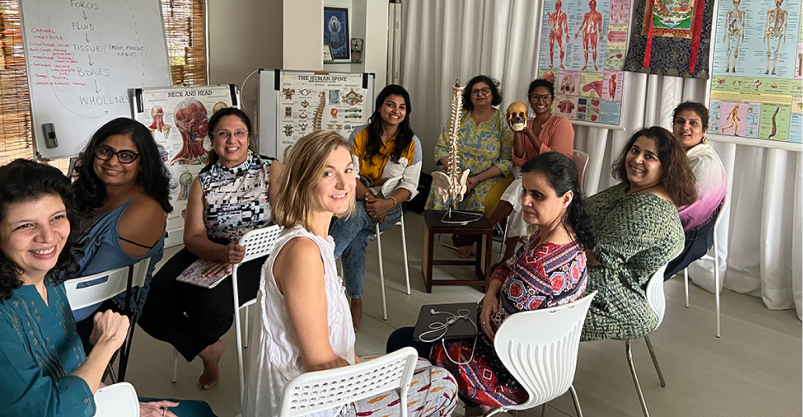
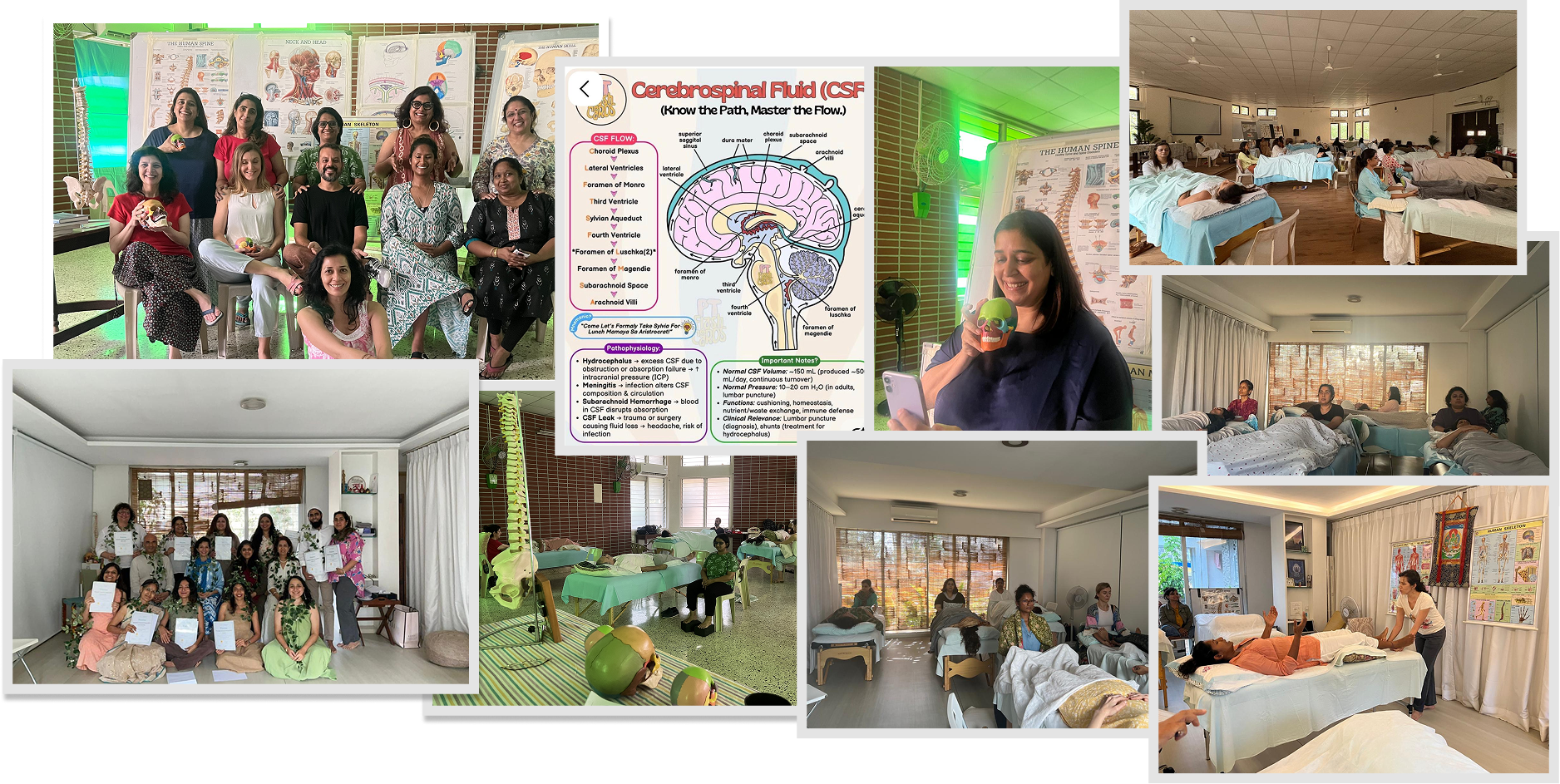
- The in-person training is a residential educative model that involves emphasis on practical, experiential work.
- The training comprises of 12 modules, of which 10 modules include 4 day residential in- person program. Modules 9 & 11 are online for project presentations and theory exams
- Each module is approx. 4-6 weeks apart with online supervision days in between and attendance of all days – online and in-person are compulsory.
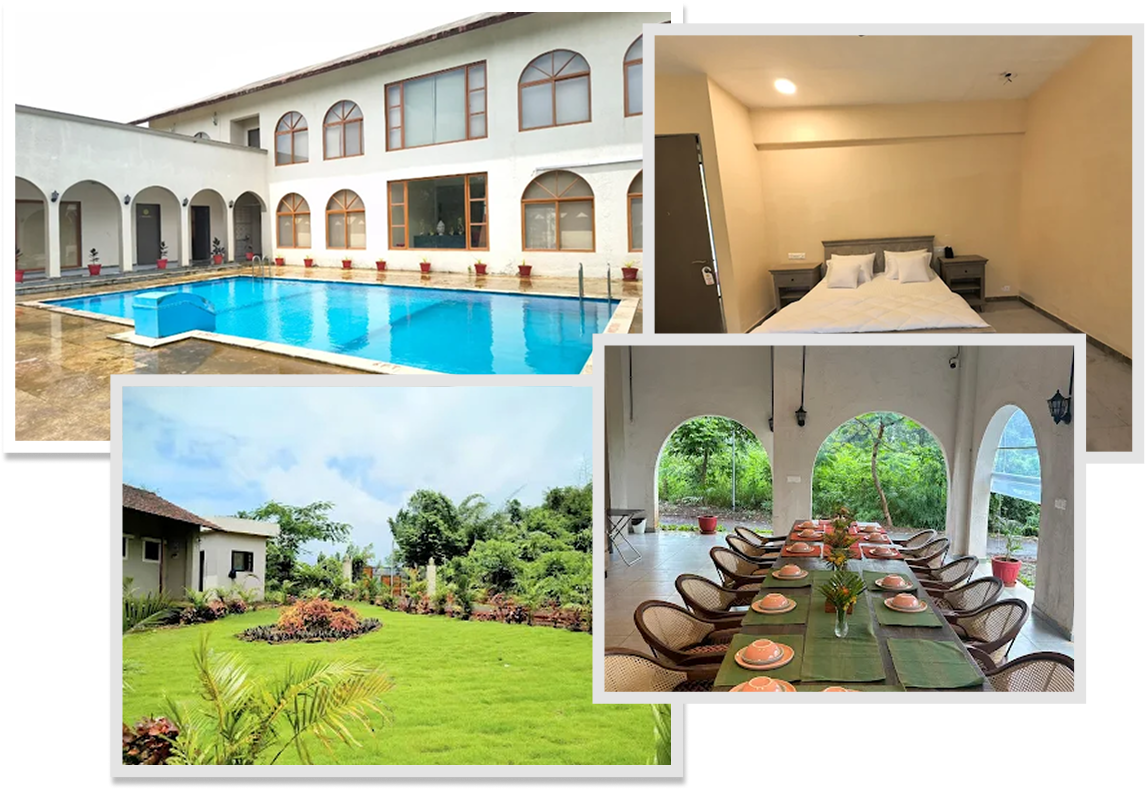
- The training will be held at ANHTA Conscious Wellness Center in Karjat, 2 hours from Mumbai, well connected to a nearby airport & train station. The venue is in a nature setting with a naturopathy & physiotherapy center included. Single, double, triple room sharing accommodation at the venue is available. www.anhtakatjat.com
TRAINING FEES:
The total cost of the training fees Modules 1 -12: INR 2,23,200/- (+18% GST) Receive 10% discount when paying the full amount
PAY IN INSTALLMENTS (+18% GST):
- Modules 1-3: 55,800/-
(early bird 10% discount rate until 15th Sept)
After 15th Sept: INR 61,380/- - Modules 4-7: 74,400/-
- Modules 8-12: 93,000/-
- Payments for full training or Modules 1-3 must be completed by August 31st 2026
- Payments for following 2 installments must be completed 2 months prior to the respective module, or pay additional 10% late fees charge.
ACCOMODATION FEES:
Room rates at Anhta Wellness Center ranges from approx. INR 5000 – 8000 per person, per night depending of choice of room – single, double or triple occupancy (add 5% GST). This includes room, stay and all meals for the day.
For 3 nights, 4 days, approx. cost can be INR 15,000 to 24,000 per module.
10 modules are residential, so for the entire training the accommodation cost is approx.: INR 1,50,000 – 2,40,000 (depending on room choice)
 View on Google Maps
Total cost of training including education and accommodation is approx. INR 4 Lakh – 4.5 Lakh (GST excluded)
NOTE
Payments for tuition will be made to Centre For Healing And Sacred Arts
Payments for accomodation will be made to ANHTĀ directly.
Training Schedule & Dates
OCT 2026 – MAR 2028
|
Module Month / Year 12 Modules |
Online Dates
All online days are
|
Supervision DatesAll supervision days are
|
Residential DatesAll residential days are
|
|---|---|---|---|
| Module 1 Oct 2026 |
12th Oct 19th Oct |
23rd Oct | 27th – 30th Oct |
| Module 2 Nov / Dec 2026 |
16th Nov 23rd Nov |
13th Nov 11th Dec 18th Dec |
1st – 4th Dec |
| Module 3 Dec 2026 / Jan 2027 |
14th Dec | 8th Jan 29th Jan |
19th – 22nd Jan |
| Module 4 Feb 2027 |
1st Feb | 12th Feb | 16th – 19th Feb |
| Module 5 Feb / Mar / Apr 2027 |
8th Mar | 26th Feb 2nd Apr |
16th – 19th Mar |
| Module 6 Apr / May 2027 |
5th Apr 3rd May |
23rd Apr 7th May |
13th – 16th Apr |
| HOLIDAYS TILL JUNE | |||
| Module 7 Jun / Jul 2027 |
7th Jun 12th Jun |
18th Jun 16th Jul 30th Jul |
20 – 23 Jul |
| Module 8 Aug 2027 |
2nd Aug | 6th Aug | 10 – 13 Aug |
| Module 9 Aug / Sep / Oct 2027 |
23rd Aug 13th Sep |
20 Aug 27 Aug 17th Sep 1st Oct |
Students prepare their Cranial Nerve Project Work No residential training for this module |
| Module 10 Oct 2027 |
No Online Training | 8th Oct 22nd Oct |
12 – 15 Oct |
| Cranial Nerve Presentations Nov 2027 |
23rd Nov (Tue) 25th Nov (Thu) |
15th Nov (Mon) 19th Nov (Fri) |
No Residential |
| EXAM PREP | 6th Dec | 3rd Dec 17th Dec |
No residential – students study for exams |
| Theory & Oral Exams Jan 2028 |
Exam 1: 18th Jan (Tue) Exam 2: 20th Jan (Thu) |
No supervision | No Residential |
| Module 11 Feb 2028 |
No Online | 4th Feb | 8-11 Feb Advance skills & Completion |
| Module 12 March 2028 |
No Online | Supervision Optional (dates tbc) | 26 – 27 March (Fri & Sat) Graduation & Community Clinic |
It is highly recommended to take a couple of Biodynamic Craniosacral sessions with Zia or qualified assistants from the clinic or other registered BCST practitioners to get a practical experience of the work for your own self (esp for those who have never experienced this work before).
Introductory Workshops
Choose to attend any of the intro workshops listed below (not compulsory)
FREE ONLINE Workshops
IN PERSON
Inquiry & Registration
Bank Transfer Details
Pali Naka, Pali Hill,
Bandra (West), Mumbai – 400050
BCST DIPLOMA
curriculum
Connection begins with a neuroception of safety.
Connection is the antidote to the isolation that trauma creates. Through connection, we find safety, support, and the possibility of healing.
Polyvagal Therapy
Modules 1–3
- Playground rules for establishing a learning and healing space for safety, trust and mutual respect.
- Introduction to Craniosacral Therapy and its history.
- Biodynamic Principles of Health.
- Introduction to our Autonomic Nervous System (ANS), the natural design for reset and regulation.
- The ANS subdivisions; homeostasis & allostasis, activation and restoration.
- Introduction to somatic work, its origins, and its integration in therapeutics.
- Developing Somatic Presence & Witness Consciousness.
- Resource and Stress Loop – Building Resiliency.
- Craniosacral non-invasive touch and palpatory skills.
- Craniosacral anatomy & physiology.
- Our early beginnings – conception & embryology and its continuum forces in our body even today.
- Craniosacral Therapy – Breath of Life paradigm, developing skills for palpating unified wholeness and primary respiration.
- Understanding Trauma and the integrated trauma informed approach.
Modules 4–7
- Deepening our understanding of the Autonomic Nervous System.
- Perceptual functions, sensory development, and sense of self.
- Introduction to the Polyvagal System & trauma physiology.
- Learning and recognizing different types of trauma.
- Verbal skills to resource and regulate.
- Developing somatic skills & craniosacral support for stress and trauma imprints.
-
Craniosacral Theory & Practical
- Craniosacral physiology in depth.
- Brain & Spinal Cord.
- Embryology: midlines and natural fulcrums.
- Tidal Phenomenon of Breath of Life – Stillness, Long Tide & Fluid Tide.
- Anatomy of the cranium, spine, sacrum, and pelvis.
- State of Balance and augmentation.
- Cranial Base: stabilizing our core (sphenoid & occiput patterns).
- Introduction to Cranial Nerves.
- Deepening the presence of neutral witness consciousness and refining palpatory skills.
Modules 8–11
- Embryology: Conception – Implantation and early development of the spine, heart, gut and face.
- Viscero-cranium: facing the world (bones of the face).
- Cranial Nerve project & presentations from students.
- Ignition (conception, birth, and ongoing in life).
- Long Tide and Stillness dynamics (integration in trauma and therapeutics).
- Organs of the body.
- Intra Oral – Working with Mandible and Maxilla.
- Birth Dynamics – Working with pregnancy, labour and newborn babies.
Module 12
- Theory & Oral Exams.
- Completion & Graduation.
Final exam
This is an open book exam given in Modules 11 & 12.
Hours of Tuition & Submissions
Online & in person
Module 12
350 Hours Self Study, Practice & Projects
150 hours home practicum
Between seminars students, practice skills learned with people other than classmates. These are unpaid sessions and the clients are informed that the practitioner is in training. These sessions are written up and turned in to the teaching team for review.
150 hours home study
Reading of texts in the fields of BCST, cranial osteopathy, trauma resolution, anatomy and pre- and perinatal development. Drawing and modeling of anatomical structures will be practiced.
20 hours independent projects
Cranial Nerve project : for the project students work to understand the 12 cranial nerves, their location in the body, the symptoms caused when they are impinged upon and how to identify when they are involved. This independent project is presented at graduation.
20 hours – Case Study
A Case Study is begun approximately half way through the training. Each student records the progress of their case study client and writes a written report on the study as well as doing a verbal presentation in module 11. Additionally, each student will keep a case study on one of their practice clients over the course of the training.
10 hours
Sessions received – Receive 10 sessions from an RCST practitioner, one before each module.
Study the Life Principle and come closer to understanding what I mean by the ‘Breath of Life’.
27 March 1873 – 23 September 1954
PREREQUISITES
Who can do this training?
- All individuals + 21 yrs
- Educational qualifications: Graduate degree (in any field)
- Familiar with the practice of BCST (minimum 3 therapy sessions received by an RCST ® practitioner).
- Interest in non-invasive holistic health care using gentle hands on physical touch.
- Maintain a regular self-care practice, including mental, emotional, psychological support for self- regulation and embodiment
- Enjoy learning about the functioning of our human body, its anatomy and physiology, the human design in health and healing.
Minimal Anatomy Understanding:
Most applicants must have a basic understanding of anatomical reference points that health practitioners already have a familiarity with from health care practices and other courses in their curriculum. All other cases may be approved upon discussion and equivalences. Introductory & review classes will be offered to the first module to cover this material.
Interview:
An interview with Zia Nath will be necessary either in person or on Zoom to complete the registration process.
Register for training
About the Facilitator
Zia Nath
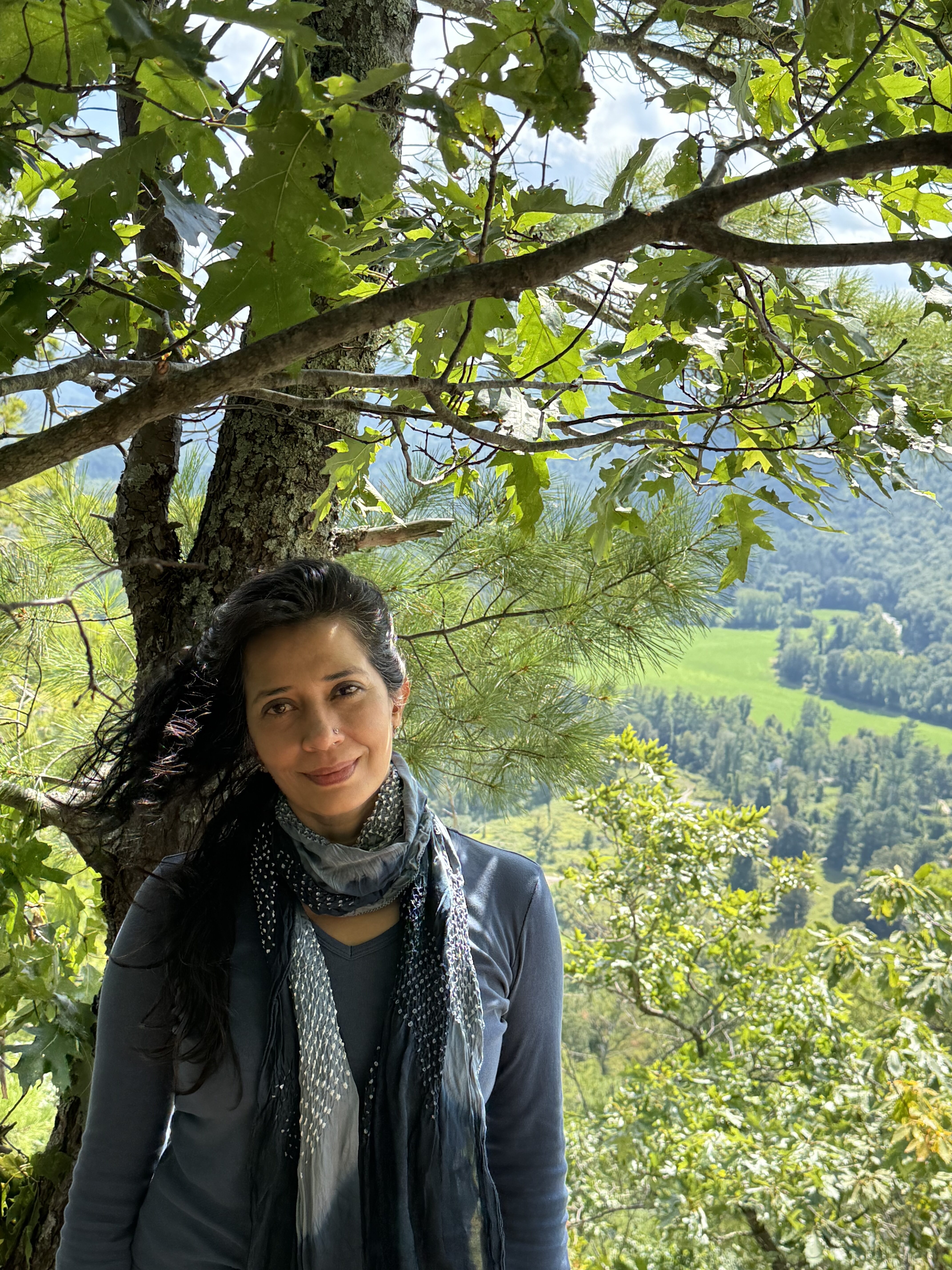
Founder – Quanta Health Care Solutions (Mumbai) 2002
Founder – Centre For Healing & Sacred Arts (Mumbai) 2024
Trauma Informed Therapist
- Craniosacral Therapy
- Somatic Intelligence Counselling
- Mindful Nutrition
- Dance Movement Therapist
- Registered Teacher for Craniosacral Therapy (BCST)
RCST® Teacher – BCTA/NA, North America
BCTI – Founding Member, Teacher
As the founder of the first clinic in India to specialize in Biodynamic Craniosacral Therapy, Zia has been in this work since more than two decades. She supports indivisuals and families with a wide range of health issues & lifestyle diseases, terminal illnesses and trauma support. Zia also specializes in Somatic Intelligence™ & a somatic approach to Mindful Nutrition.
With her expertise in dance & fitness, she effectively works with athletes and dancers for injury prevention & recovery.
Zia works with mums & babies, pre & postpartum issues, breastfeeding, birth trauma & neurological impairments and is a board member with Birth India – a Non-profit NGO that supports safe, natural and mother baby friendly births.
In recent years with her collaborations with allied and mainstream medical practitioners, Zia has developed a speciality of supporting and treating orthodontic conditions in a non invasive modality for airway, sleep, speech, nutrition and tongue restrictions for infants, children and adults; this is especially useful when due to sensory or neurodivergent conditions individuals are unable to receive conventional Orthodontic treatment.
Assistants on the training
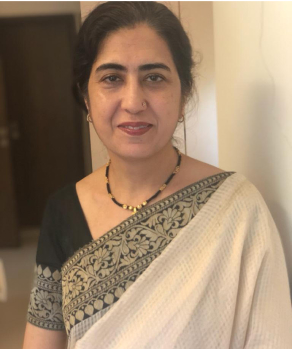
Dr. Meeta Bali
Teaching AssistantBCST (RCST, ICSB), Special Educator
(Autism Spectrum Disorder)
YouTube
Student Support Team
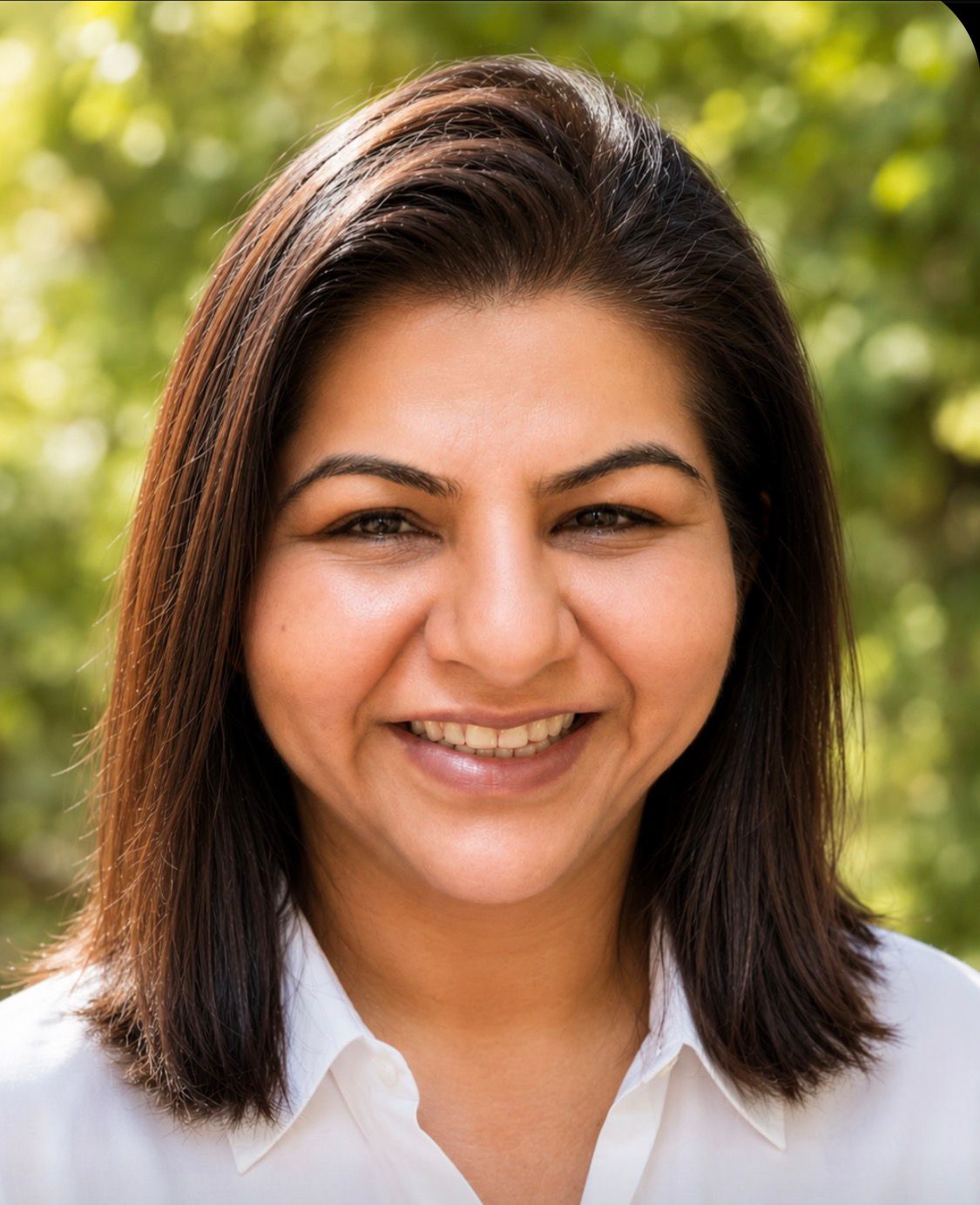
Shabana Khan
Biodynamic Craniosacral Therapist (BCST)
Graduated with and now Associate Practitioner at Centre for Healing & Sacred Arts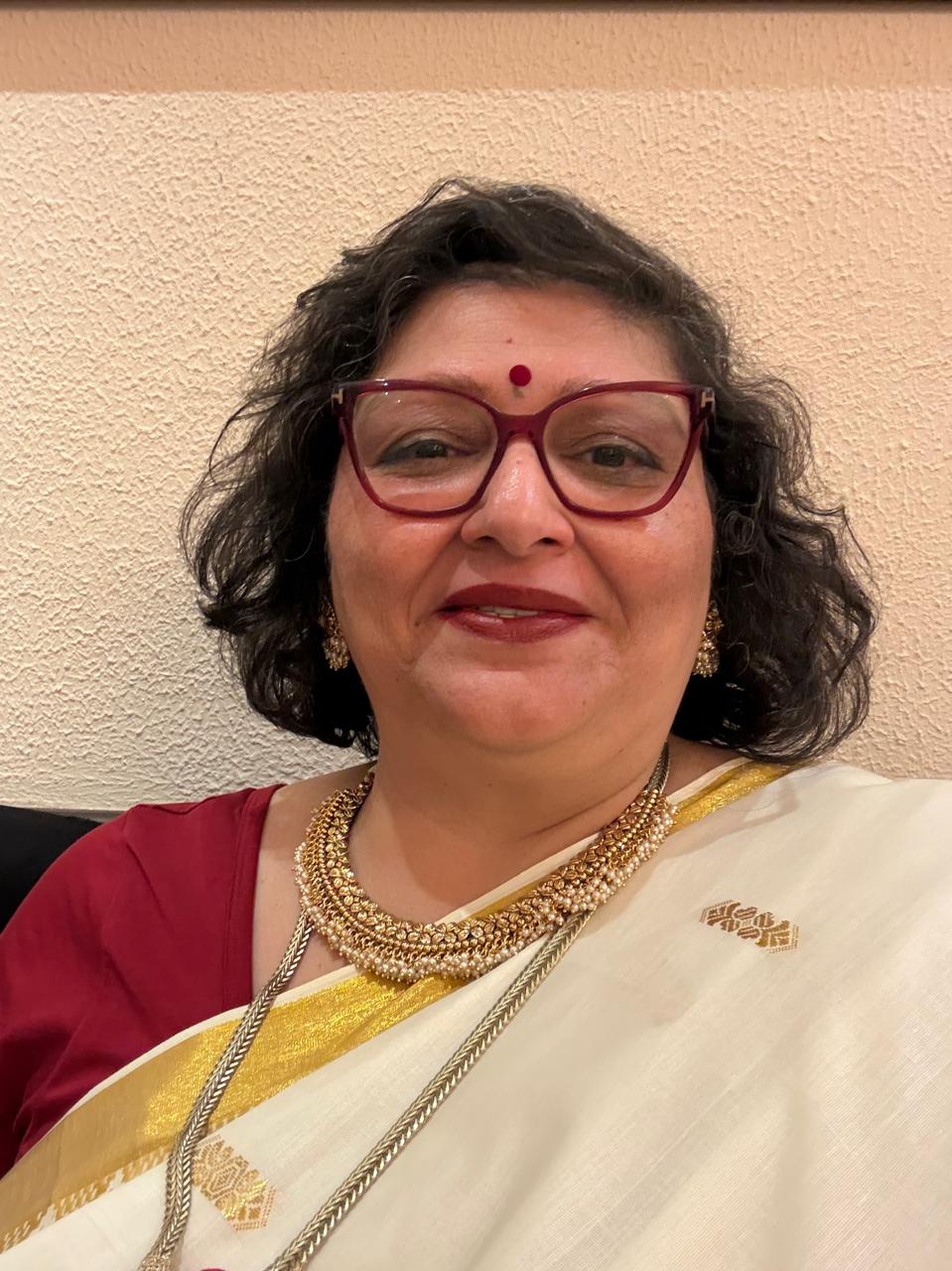
Zenobia Nankani
Trauma Informed Practitioner • BCST • Somatic Intelligence • Art Therapy
Graduated with and now Associate Practitioner at Centre for Healing & Sacred Arts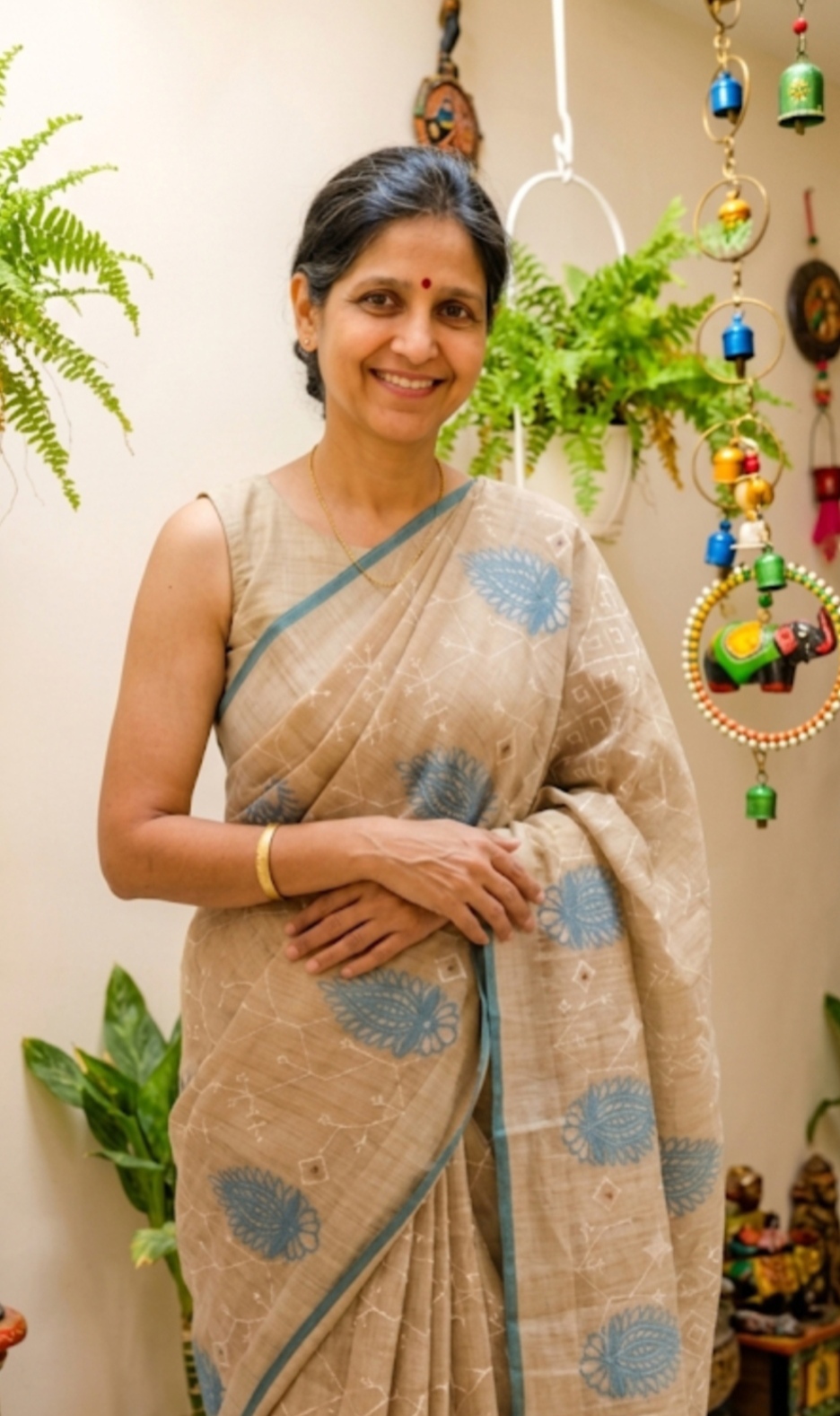
Sujata Ramanarayan
Biodynamic Craniosacral Therapist (BCST) • Yoga Coach
Graduated with and now Associate Practitioner at Centre for Healing & Sacred ArtsPast Trainings
View some details, format & curriculum of our current training here:
Workshops & Trainings
Associations & Collaborations
ICSB
RCST
IABT
Physiorehab
Awareness-Foundation
BIrth India
Airway Colab

Dentician
BPNI - Maharashtra
Well Being Project
Leader's Quest
A Club
Soho House
White Horse Healing
Gayatri Rao
Somaiya

KCH - Sangeet Kathiwada